

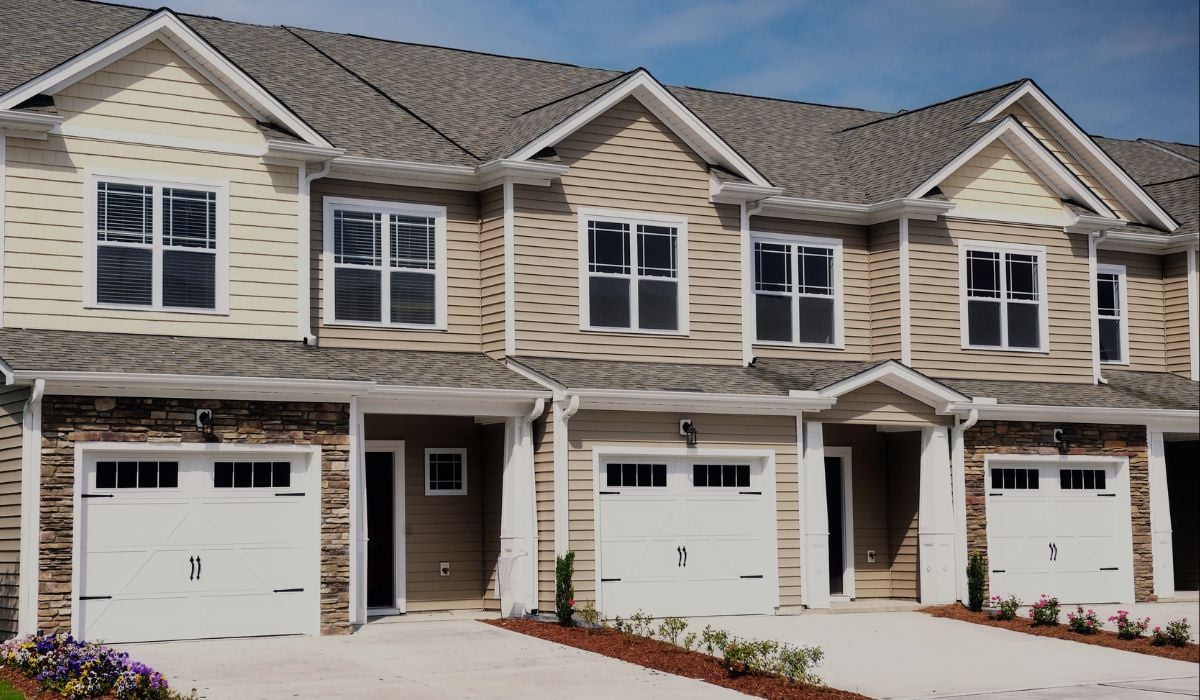
Why Charlotte Builders Are Adding More Townhomes
Buyers searching for new construction in Charlotte may encounter townhomes in both close-in neighborhoods and suburban communities. Current options range from infill projects near South End, NoDa, and Plaza Midwood to larger developments around Ballantyne, Steele Creek, University City, and other parts of the metro.
Townhomes allow several residences to share a building footprint while maintaining separate entrances and, in many cases, individual ownership. That can make them practical for sites where detached homes would require more land per residence.
This does not mean townhomes dominate every Charlotte neighborhood or automatically provide a lower-priced path to ownership. Location, square footage, finishes, lot value, builder incentives, and HOA expenses can produce substantial price differences between communities.
Land Use and Charlotte's Housing Strategy
Charlotte's growth strategy calls for a broader selection of housing types. The city's Charlotte Future 2040 Comprehensive Plan identifies townhomes, duplexes, triplexes, fourplexes, accessory dwelling units, and small-lot homes as forms of middle-density housing.
Townhome construction can place more homes on a parcel than a conventional detached-home layout. It may also provide a transition between detached neighborhoods and larger apartment or condominium buildings.
The comprehensive plan is policy guidance, not proof that a particular project will be approved or constructed. Zoning, utilities, stormwater requirements, transportation access, site conditions, and the development review process still affect what can be built on an individual property.
What Buyers May Gain From a Townhome
More Location Options
Attached construction may allow builders to offer ownership opportunities on sites where detached homes are not practical. For some buyers, this creates additional options near employment centers, retail districts, greenways, major roads, or transit.
Proximity should be verified using the individual address. A property marketed as being near South End, Uptown, or a light rail station may still require a drive or involve different walking conditions than expected.
Potentially Different Maintenance Responsibilities
Some townhome associations maintain roofs, siding, landscaping, private streets, or common areas. Others cover only a limited set of shared expenses and leave most exterior maintenance to the owner.
Buyers should not assume that purchasing a townhome eliminates yard work or exterior repairs. The declaration, covenants, bylaws, budget, and insurance documents determine which responsibilities belong to the homeowner and which belong to the association.
New Construction Features and Incentives
A newly built townhome may include current finishes, new mechanical systems, builder warranty coverage, and energy-efficiency features. Builders may also advertise closing-cost assistance, interest-rate buydowns, or design credits on selected properties.
Incentives vary by home, community, closing date, and financing provider. Buyers should compare the complete price and loan terms rather than evaluating an incentive by its advertised value alone.
Where Charlotte Townhome Options Vary
South End and Nearby Infill Areas
Townhome projects around South End, LoSo, and surrounding areas may offer access to Uptown, employment centers, restaurants, and transit routes. Buyers should compare parking, guest access, road noise, nearby construction, HOA rules, and the supply of similar properties.
NoDa and Plaza Midwood
NoDa, Plaza Midwood, Villa Heights, and nearby neighborhoods include a mixture of older detached homes, renovated properties, apartments, condominiums, and newer townhomes. Prices and access to neighborhood destinations vary by address, even within the same general area.
Ballantyne and South Charlotte
Ballantyne and other parts of South Charlotte include townhomes in established communities and newer mixed-use developments. Buyers should evaluate commute routes, HOA amenities, monthly fees, surrounding construction, property taxes, and access to the destinations that matter to them.
Other Charlotte Growth Areas
Townhome options can also be found around Steele Creek, University City, Oakhurst, west Charlotte, and communities beyond Mecklenburg County. The right comparison depends on the buyer's budget, desired space, commute, ownership costs, and property requirements.
Available inventory can be reviewed through Stone Realty Group's Charlotte new construction home search.
What to Review Before Buying a Townhome
The term "townhome" generally describes the building style. It does not, by itself, explain the property's legal ownership structure or maintenance responsibilities. A townhome may be conveyed as fee-simple property or be part of a condominium form of ownership.
The North Carolina Real Estate Commission's condominium and townhouse brochure outlines issues buyers should investigate before purchasing.
Important items to review include:
- The legal ownership structure and property boundaries
- Current HOA dues and what those dues cover
- The association's budget, reserves, insurance, and assessment authority
- Roof, siding, landscaping, driveway, and utility responsibilities
- Parking, guest parking, pet, leasing, and architectural rules
- Builder warranties and inspection access
- Sound separation and shared-wall construction
- Estimated taxes, insurance, utilities, and monthly payment
- Future construction phases and planned amenities
- Competition from remaining builder inventory when reselling
Buyers should also compare the final contract price after lot premiums, upgrades, deposits, and financing costs. A lower base price does not necessarily produce a lower total monthly expense.
Frequently Asked Questions
Are Charlotte townhomes always less expensive than single-family homes?
No. A townhome may cost less than a comparable detached home in the same immediate area, but that is not guaranteed. A new or luxury townhome in a close-in neighborhood may cost more than a detached home in another part of the metro. HOA dues and insurance should also be included in the comparison.
Do all townhomes have HOA fees?
Many townhomes are subject to an owners' association, but the fees and responsibilities vary. Buyers should review the recorded documents and current budget to understand what the association maintains, whether special assessments are permitted, and which expenses remain the owner's responsibility.
Are townhomes a good real estate investment?
A townhome can support a buyer's long-term goals, but appreciation and resale demand are never guaranteed. Buyers should evaluate recent comparable sales, HOA finances, rental restrictions, property condition, location, planned development, and the supply of similar homes.
More Charlotte Townhome and New Construction Resources
Compare current listings, new-build considerations, and expenses that may affect your purchase.
Considering a Townhome in Charlotte?
If you are comparing an urban infill townhome, a new suburban community, or a detached resale home, connect with the Stone Realty Group buyer team for help reviewing properties, builder terms, HOA documents, inspections, financing considerations, and total ownership costs.
Check out this article next