
Buying a New Construction Home in Charlotte
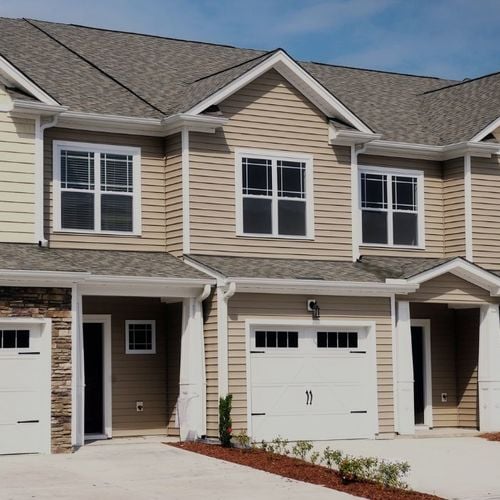
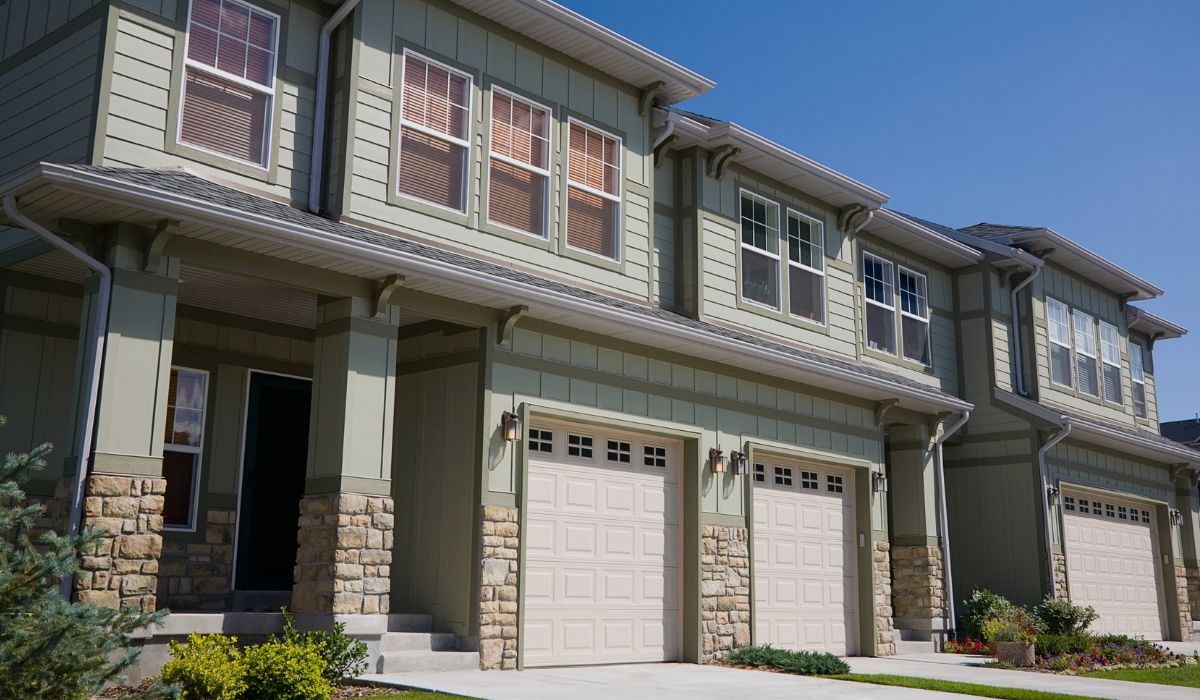
New construction around Charlotte ranges from urban townhomes and condominiums to single-family homes in planned suburban communities. Buyers may encounter completed inventory homes, properties still under construction, and homes that will not begin construction until after a contract is signed.
The right option depends on more than appearance or base price. Buyers should consider their budget, preferred property type, estimated completion date, commute, homeowners association requirements, available utilities, and tolerance for construction activity within a developing community.
Current options can be found through Stone Realty Group's Charlotte new construction home search.
Potential Advantages of New Construction
Current Layouts and Building Systems
New homes may include open living areas, flexible rooms, updated electrical capacity, smart-home features, and recently installed roofing, plumbing, HVAC, and appliances. These features can reduce the likelihood of certain immediate replacement projects, although new construction is not automatically free from defects or maintenance needs.
Energy-Efficiency Features
Insulation, windows, air sealing, HVAC equipment, and appliances can affect a home's energy performance. Buyers should ask for the specific efficiency ratings and certifications associated with the property rather than assuming that every newly built home performs the same way.
According to the EPA's ENERGY STAR NextGen program, certified homes are approximately 20% more energy efficient than homes built to typical code levels. That figure applies to qualifying certified homes, not all new construction. Buyers can also request available HERS or ERI ratings, equipment specifications, and estimated utility information.
Possible Builder Incentives
A builder may offer closing-cost assistance, interest-rate buydowns, design credits, appliance packages, or other incentives on selected homes. Availability can depend on the community, construction phase, closing date, inventory level, and use of an affiliated lender or settlement provider.
Buyers should compare the complete financing proposal, including the interest rate, annual percentage rate, discount points, lender fees, estimated payment, and cash required at closing. An advertised incentive does not automatically make one offer less expensive than another.
Selections and Warranty Coverage
A to-be-built home may allow the buyer to select certain structural features, finishes, flooring, cabinets, fixtures, or appliances. The number of choices usually depends on how far construction has progressed.
Builders may also provide limited warranty coverage. Buyers should read the warranty's duration, exclusions, claim procedures, maintenance obligations, and definition of a covered defect before closing.
Costs and Risks Buyers Should Review
The advertised base price may not represent the final cost of a new home. Expenses can increase as the buyer selects a lot, floor plan, elevation, structural options, and interior finishes.
Before signing a builder contract, buyers should review:
- Lot premiums and structural upgrade costs
- Design-center selections and required deposits
- Appliances, blinds, fencing, landscaping, and other items excluded from the base price
- HOA initiation fees, regular assessments, and planned amenities
- Utility connections and service providers
- Estimated property taxes and insurance costs
- Completion estimates and the builder's right to extend deadlines
- Buyer cancellation rights and deposit refundability
- Warranty terms and repair procedures
Construction schedules can change because of permitting, inspections, weather, labor availability, utility connections, or material delivery. Buyers should ask what happens if the home is not completed by the estimated date and avoid making inflexible moving arrangements based only on a preliminary schedule.
Independent Inspections Still Matter
A newly constructed home can have incomplete work, installation errors, damaged materials, or components that do not operate as intended. Buyers should review the builder contract to determine when independent inspections are allowed.
Depending on the construction stage and contract, buyers may consider foundation, pre-drywall, final, or warranty-period inspections. The North Carolina Real Estate Commission's home inspection guidance explains the inspector's role and the importance of understanding the property's condition.
An inspection does not guarantee that a builder will accept every repair request. The contract, warranty, applicable building standards, and nature of the identified concern determine the available response.
Charlotte-Area Locations to Compare
Instead of selecting an area based on a general ranking, buyers should compare individual homes and communities using address-specific information.
Urban and Infill Construction
Buyers searching around South End, NoDa, Plaza Midwood, and areas near Uptown may encounter townhomes, condominiums, and small-lot projects. Important considerations can include parking, HOA responsibilities, shared components, nearby development, construction noise, and the supply of similar properties.
South and Southeast of Charlotte
Ballantyne, Matthews, Mint Hill, Waxhaw, Indian Trail, and Monroe include a variety of new communities and property types. Taxes, school assignments, utilities, commute times, and municipal services vary by address and county.
North Charlotte and the Lake Norman Corridor
Huntersville, Concord, Kannapolis, Mooresville, and surrounding communities offer both completed inventory and developing neighborhoods. Buyers should evaluate access to I-77 or I-85, toll-road costs, HOA requirements, future construction phases, lot characteristics, and commute conditions.
Southwest Charlotte and Nearby South Carolina
Steele Creek, Fort Mill, Indian Land, and Rock Hill may also appear in a broader Charlotte-area new construction search. Buyers comparing properties across state lines should account for differences in contracts, taxes, closing procedures, real estate representation, and applicable school districts.
How to Compare a Builder Offer
Builder incentives, upgraded finishes, and model-home presentation can make an offer appealing, but buyers should compare the complete transaction before deciding.
- Calculate the final contract price after lot premiums and upgrades.
- Compare the builder's financing offer with alternatives from other lenders.
- Confirm which deposits are refundable and under what circumstances.
- Review inspection access, walkthrough procedures, and repair deadlines.
- Understand completion-date extensions and closing requirements.
- Read the builder warranty and HOA documents.
- Estimate taxes, insurance, utilities, maintenance, and monthly HOA expenses.
- Consider future construction phases, rental restrictions, and resale competition.
The builder's onsite sales representative works for the builder or seller. A buyer may choose separate representation to help compare properties, monitor deadlines, coordinate inspections, and communicate during the transaction. Some builders require the buyer's agent to be registered before or during the buyer's first visit, so representation should be discussed before touring model homes.
Frequently Asked Questions
Do I need a real estate agent when buying new construction?
A buyer is not generally required to hire an agent, but the builder's representative does not represent the buyer. A buyer's agent can help evaluate communities, compare incentives, review transaction details, coordinate inspections, and communicate with the builder. Legal questions about a builder contract should be directed to a qualified attorney.
Should a new construction home be inspected?
Buyers should consider an independent inspection even when the home is newly built. Inspection timing and access depend on the builder contract and construction stage. Buyers should use an appropriately licensed inspector and understand that the builder may not agree to every requested correction.
Is new construction cheaper than buying a resale home?
Neither option is always less expensive. Buyers should compare the new home's final upgraded price and incentives with the resale home's condition, expected repairs, maintenance needs, financing, taxes, insurance, and HOA costs. The most suitable choice depends on the specific properties and the buyer's priorities.
More Charlotte New Construction Resources
Compare available homes, ownership expenses, and a recent Stone Realty Group new construction buyer experience.
Considering New Construction in the Charlotte Area?
If you are comparing quick move-in homes, to-be-built plans, or resale alternatives, explore current Charlotte new construction listings or connect with the Stone Realty Group buyer team for help comparing builders, contracts, incentives, inspections, and total ownership costs.
Check out this article next